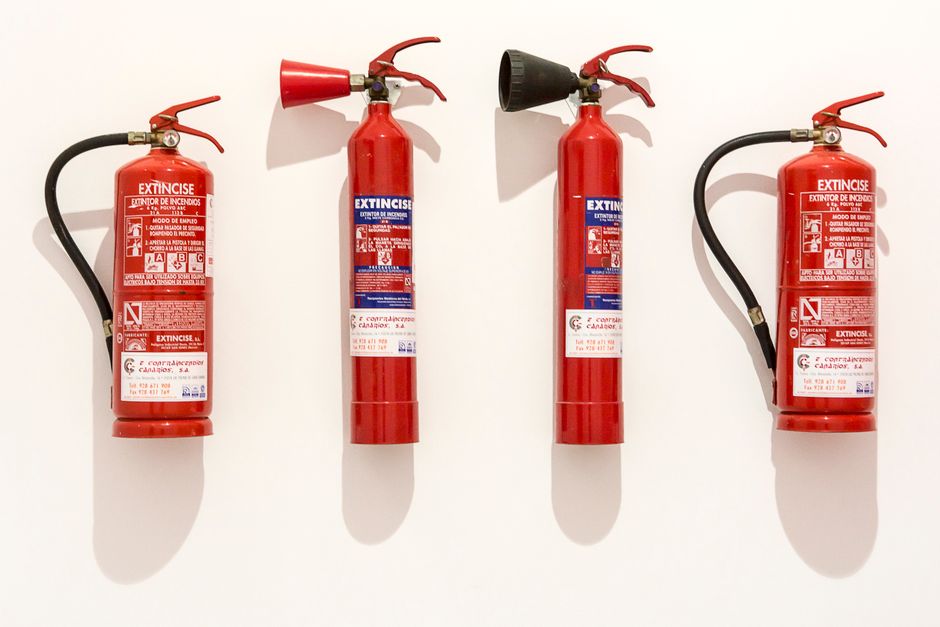
A fire extinguisher mounted on the wall does nothing on its own. The person standing next to it makes the difference, and that person needs more than a laminated sign and a five minute speech during onboarding. OSHA-aligned programs are built to give workers hands-on practice with the PASS technique, working knowledge of extinguisher types, hazard recognition skills, and the judgment to know when to fight a small fire and when to leave the building.
The outline below is a short course structure you can adapt for a warehouse floor, an office suite, a maintenance shop, or a multifamily property. It is written for safety coordinators and trainers who need a repeatable session rather than a one-off demonstration. Requirements vary by jurisdiction and by the hazards present at your site, so confirm the details with OSHA and your local fire authority before you treat any outline as settled policy.
What Employee Fire Extinguisher Training Needs to Cover
Four content areas show up in nearly every quality program. They form the backbone of the course and everything else hangs off them.
- Hazard recognition: spotting the conditions that start fires and the conditions that let them spread.
- Extinguisher types: knowing which units are on site and which fires each one is built for.
- Safe deployment: the decision to use an extinguisher, the technique itself, and the backup plan if it fails.
- Hands-on practice: pulling a pin, aiming a nozzle, and discharging under supervision.
Knowledge alone does not build a reflex. The hands-on module is what separates a session employees remember from a slide deck they forget before the next shift.
Course at a Glance
Use this table as the spine of your session plan. The order matters more than the clock, and the hands-on module should sit close to the end so the technique stays fresh when employees walk back to their work areas.
| Module | Core content | Typical delivery |
|---|---|---|
| 1. Hazard recognition | Ignition sources, housekeeping, storage, blocked exits | Classroom or online module |
| 2. Extinguisher types | Site inventory, label reading, matching tool to fire | Classroom with live examples |
| 3. PASS technique | Pull, Aim, Squeeze, Sweep | Demonstration then hands-on |
| 4. Safe deployment | Size-up, evacuation triggers, accountability | Classroom plus building walkthrough |
| 5. Hands-on practice | Live or simulated discharge | On-site, instructor led |
| 6. Documentation | Records, new hire onboarding, refresher schedule | Administrative |
Module 1: Hazard Recognition
Before anyone touches an extinguisher, employees should be able to read a room. Hazard recognition covers the everyday conditions that turn a small incident into a serious one: overloaded outlets, accumulated cardboard, solvents stored near heat, dust buildup around equipment, and exit routes that quietly fill with inventory over a busy month.
Walk the actual work areas during this module. Employees spot more hazards standing in their own aisle than they do looking at photos of someone else’s building. Close the module by writing down what the group found and assigning an owner to each item. Training that generates a fix list is training that changes something.
Module 2: Extinguisher Types and Label Reading
Employees do not need to memorize a catalog. They need to know the units installed in their building and how to read the label in front of them. Cover the classes of fire each extinguisher on site is rated for, where each unit lives, and why someone should never grab a unit rated for the wrong hazard.
Bring examples to the session if you can. Let employees handle the actual extinguishers they would use, check the gauge, and read the label out loud. Confirm your inventory against the manufacturer instructions and your fire protection provider, since ratings and placement rules depend on the hazards in each area.
Module 3: The PASS Technique
PASS stands for Pull, Aim, Squeeze, Sweep, and it is the single most repeated sequence in fire extinguisher instruction. Teach it as four physical actions rather than a slogan.
- Pull the safety pin from the handle. The extinguisher will not discharge until the pin is out.
- Aim the nozzle at the base of the fire. The base is the spot doing the burning, not the flames above it.
- Squeeze the handle to release the agent.
- Sweep side to side across the base of the fire until it stays out.
Have each employee say the steps while performing them dry. The verbal repetition feels clumsy, but it locks the order in place for people who have never discharged a unit before.
Module 4: Safe Deployment and the Decision to Evacuate
Not every fire is a fight. This module teaches employees how to size up a situation in seconds: how big the fire is, what is burning, whether smoke is filling the space, whether a clear exit stays behind them, and whether anyone else is still inside.
It also covers the alternative. One 2015 discussion among chemical safety professionals noted that OSHA can permit an employer to skip extinguishers and training entirely when the emergency plan is built around evacuation instead. That is a policy decision with serious consequences, and it should be confirmed against current OSHA language rather than a forum post. If your site expects employees to use extinguishers, say so in writing and train them for it. If your plan is total evacuation, make sure every employee knows that too.
Module 5: Hands-On Practice
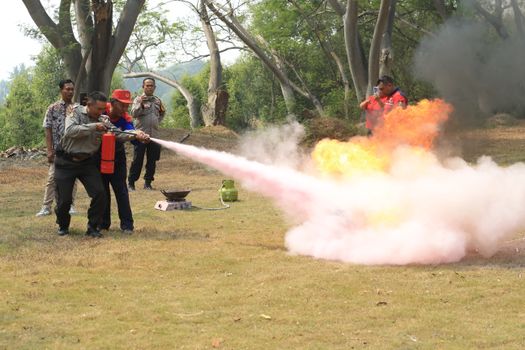
This is the module employees talk about afterward. Supervised discharge, whether on a live fire pan or a simulator, gives people the feel of the trigger, the noise, the short discharge time, and the need to keep sweeping rather than stop after the first burst. Training is generally delivered by qualified instructors with experience running practical sessions safely.
Plan the logistics before the day arrives: a safe outdoor location, wind direction, a fire watch, refilling or replacement of discharged units, and a briefing on what to do if something goes wrong during the drill itself. Employees who have discharged a real extinguisher once behave very differently the second time.
Module 6: Documentation, Onboarding, and Refreshers
Record who attended, when, what they practiced, and which instructor signed off. Those records matter during inspections, insurance reviews, and incident investigations.
New hires should complete the course before they work unsupervised in areas where extinguishers are installed. At least one published municipal course description states that its class meets OSHA annual requirements as well as new employee requirements, which reflects a common cadence: an annual refresher for everyone, plus a session for each new employee. Verify the schedule that applies to your site with your local fire authority.

Delivery Options and What Training Costs
You have several routes, and the right one depends on your headcount, your site, and whether employees have ever held a charged extinguisher.
- On-site commercial training: providers deliver practical sessions on location for commercial, industrial, and multifamily properties, which keeps travel time near zero.
- Municipal or fire department classes: one published city program lists $300 for up to 12 people and $25 for each additional person. Pricing varies widely by provider and region.
- Sponsor-funded sessions: at least one safety organization advertises fire extinguisher training free of charge as part of its community outreach.
- Online knowledge modules: e-learning fire safety modules are common in workplaces, and they work well for label reading and hazard recognition, though they cannot replace supervised discharge.
Whatever route you choose, ask what happens after the drill: who refills the units, who cleans up, and who delivers the attendance records to you.
Adapting the Outline to Your Building
Adjust the emphasis, not the structure. A warehouse with pallet racking and forklifts needs more time on hazard recognition and storage housekeeping. An office suite needs more on evacuation routes and alarm response. A property with cooking equipment needs a longer conversation about which fires employees should never attempt. The PASS sequence stays the same in all three.
Run the course once, collect feedback, and revise the outline before the next session. Employee fire extinguisher training improves the same way any other safety program does, through repetition and small corrections over time.
Frequently Asked Questions
Does OSHA require employee fire extinguisher training?
OSHA expects employees who may be expected to use a fire extinguisher to understand how it works, according to training providers that build OSHA-aligned programs. The obligation traces back to your written fire safety plan rather than a standalone certificate. If your plan relies on extinguishers, train the people expected to use them, and confirm the current language with OSHA before finalizing your policy.
Can fire extinguisher training be delivered online?
Online modules are common, and some workplaces require e-learning fire safety modules during onboarding. Knowledge content such as label reading, extinguisher classes, and hazard recognition transfers well to a screen. The hands-on half does not. OSHA-aligned training is described as practical and hands-on, so pair any online lesson with a supervised session where employees handle a charged extinguisher.
How often should employees be retrained?
One published municipal course description states that its class meets OSHA annual requirements as well as new employee requirements. Many organizations retrain annually for that reason, then add a session for each new hire and after any change to the building, the process, or the equipment in a protected area. Verify the cadence that applies to your site with your local fire authority.
What should a short course outline include?
Cover hazard recognition, the extinguisher types on site, the PASS technique, safe deployment decisions, and supervised hands-on practice. Add a documentation step so you can show who trained, when, and on what. A session that skips the hands-on module leaves employees with theory they may not recall under pressure.
Who should deliver the training?
Training is typically delivered by qualified instructors, either in-house staff who have been certified or an outside provider that specializes in commercial, industrial, and multifamily properties. Instructors need working knowledge of the extinguishers installed at your site plus experience running live or simulated discharge safely. Ask any provider how they handle refilling, cleanup, and attendance records before you book a session.
