Workplace fires cause billions of dollars in property damage each year. They also lead to hundreds of injuries and dozens of deaths. Many of those incidents grow out of hazards that were preventable, which is exactly where employee fire safety training earns its place in a safety program.
A complete program teaches workers how to spot fire risks, prevent fires, use fire extinguishers, and evacuate safely in an emergency. It also prepares people for the first minutes of an incident, before professional responders arrive and before panic has a chance to set the tone. The sections below cover the topics a workplace program should include, the formats that deliver them, and the details you should confirm with your own safety authority rather than assume.
Why Fire Safety Training Matters for Employees
The cost of a workplace fire is measured in three ways: property damage, injuries, and lives lost. Safety educators who write about fire prevention note that knowing how to prevent damage, disruption, and death from preventable hazards is a core part of protecting both yourself and your business.
Training providers describe office fire safety training as a way to make sure team members can prevent, detect, and respond to fire emergencies. Those three stages matter for different reasons. Prevention keeps a fire from starting. Detection keeps a small problem from becoming a large one. Response determines how quickly people get out and how quickly the fire department gets a call.
There is also a practical benefit that has nothing to do with emergency response. Employees who understand ignition sources, storage rules, and electrical hazards tend to handle everyday tasks more carefully. That awareness shows up long before anyone ever smells smoke.
What Fire Safety Training Teaches Workers
Course descriptions across the industry point to a consistent set of skills. A solid program covers:
- How to identify fire risks in the work area, including everyday hazards that employees walk past without noticing
- Fire prevention methods that apply to the specific tasks and equipment in the workplace
- The classes of fire and how they differ from one another
- Types of fire extinguishers and which one belongs on which kind of fire
- How to use a fire extinguisher correctly
- When not to fight a fire at all
- Evacuation procedures and emergency response protocols
- How and when to report a fire incident
Those topics also appear in online certification courses, which typically bundle fire prevention strategies, emergency response protocols, and proper use of fire extinguishers into a single program.
Core Topics Every Program Should Cover
The list above gives you the outline. Each item carries its own depth, and a short slide deck will not do the job on its own. Here is what each topic should actually address.
Fire Prevention and Hazard Recognition
Prevention is the cheapest form of fire protection because nothing burns. Employees should learn to recognize the hazards that exist in their own work areas: equipment that runs hot, materials stored near ignition sources, overloaded outlets, and housekeeping problems that let clutter build up. Generic examples help, but the strongest programs connect the material to the actual layout and processes of the site.
The Classes of Fire and Extinguisher Types
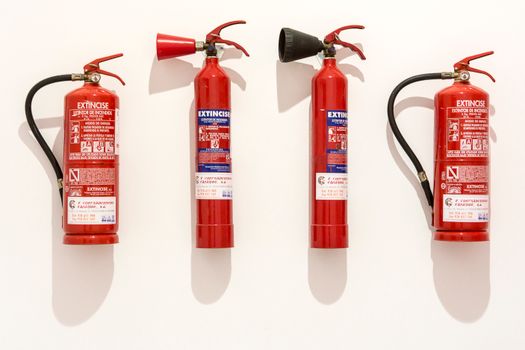
Extinguisher training covers the five classes of fire as part of its standard curriculum. The reason is simple: an extinguisher that works on one class of fire can be ineffective or dangerous on another. Employees need to match the agent to the fuel, and they need to know where extinguishers are mounted in their work area before they ever need one.
How to Use a Fire Extinguisher
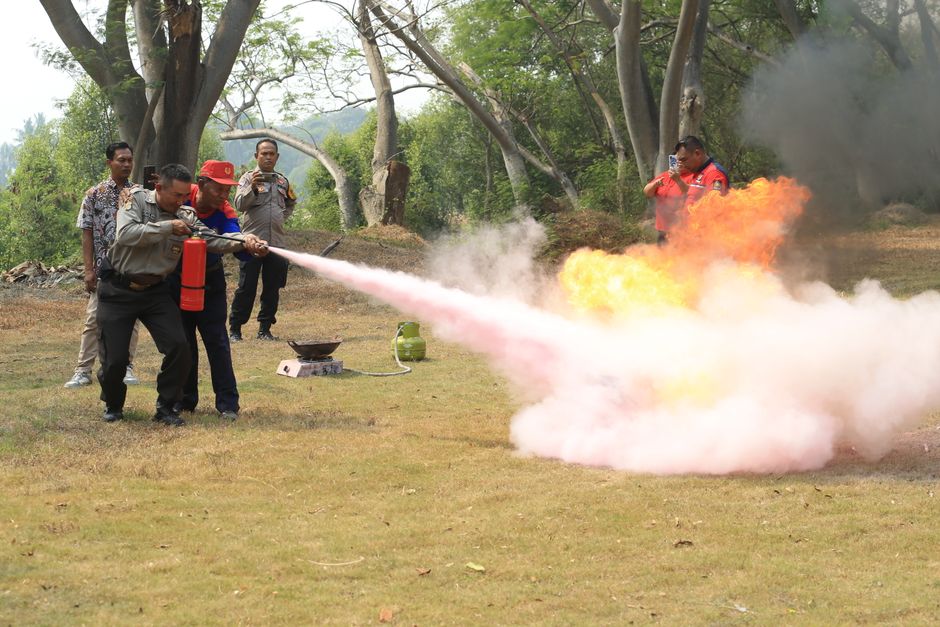
Knowing how to use a fire extinguisher is a hands-on skill, and it sits alongside fire prevention methods, extinguisher types, and the limits of what an employee should attempt. Reading about it is not the same as doing it under supervision. Where local rules and site conditions allow live practice, that experience tends to stick far better than a video.
Evacuation and Emergency Reporting
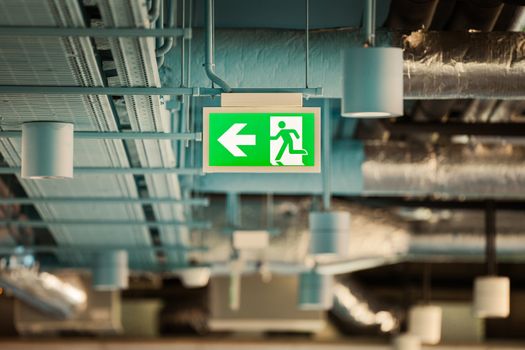
Evacuation is the part of the program that touches every employee, not just the ones who might pick up an extinguisher. Guidance on workplace fire safety training puts the sequence clearly: teach staff to evacuate everyone first, then report the fire incident to the fire department once everyone is out of the building. Employees should know their exit routes, their assembly point, and who accounts for who once people are outside.
When Not to Fight a Fire
Course outlines list this topic right next to extinguisher use, and for good reason. Extinguishers are designed for small, early-stage fires. When a fire is spreading, when smoke is heavy, when the wrong extinguisher is nearby, or when the exit could be blocked, the correct decision is to leave. Employees need explicit permission to make that call without hesitating.
Training Formats and Certification Options
Workplaces typically choose between classroom instruction, online courses, and hands-on sessions, and many combine the three. Online formats make sense for the knowledge portion: fire science, prevention methods, extinguisher types, and evacuation planning. Hands-on sessions make sense for the physical skills.
Public resources can fill gaps. The OSHA Fire Safety resources page links to training and education resources and to courses provided by the OSHA Training Institute in occupational safety and health. Employers who want a documented credential can also look at online fire safety certification programs, which cover prevention strategies, emergency response protocols, and proper extinguisher use.
State Requirements and California
Fire safety requirements are not uniform across the country. One illustration is California, where Course For Fire Safety provides access to a Fire Safety Class that the provider describes as possibly recommended or required for employees in the state. Whether that class applies to a specific workplace depends on state and local rules, so employers in California should confirm the current requirement with the state’s own safety authorities rather than rely on a course description alone.
The same caution applies everywhere else. Requirements can differ by state, by industry, and by the type of occupancy. Confirm the rules that govern your site before you settle on a training plan.
How to Reinforce Training After the Course
A certificate is the start of the process, not the end of it. Employees forget details, and new hires arrive after the last session. A few habits keep the material alive:
- Walk new employees through exits, alarms, and extinguisher locations during onboarding
- Review prevention practices during regular safety meetings
- Keep the reporting sequence visible, so nobody has to remember it under pressure
- Revisit the material when the building layout, equipment, or work processes change
- Document who has been trained, when, and on what topics
Verbal refreshers cost almost nothing and keep the evacuation plan familiar rather than theoretical.

Questions to Confirm Before You Build Your Program
Several practical questions do not have one universal answer. How often employees should receive fire safety training, what OSHA specifically requires for your operation, what counts as basic training, and how to obtain it all depend on your jurisdiction, your industry, and your site. Rather than guess, treat these as verification items.
Check the OSHA Fire Safety resources page and the OSHA Training Institute course listings for federal guidance and available classes. Then confirm any state or local additions with the agency that inspects your workplace. Build the program around those answers, and document what you decided and why.
Frequently Asked Questions
What is basic fire safety training?
Basic training covers the skills every employee needs: spotting fire risks, preventing fires, understanding extinguisher types and the classes of fire, using an extinguisher, evacuating safely, and reporting an incident. Course outlines typically add instruction on when not to fight a fire, since evacuation remains the priority for most workers.
What topics does fire extinguisher training include?
Standard course topics include the five classes of fire, fire prevention methods, types of fire extinguishers, how to use a fire extinguisher, and when not to fight a fire. The goal is matching the right extinguisher to the right fire and recognizing the point where leaving is the better decision.
How often should employees receive fire safety training?
There is no single interval that applies everywhere. Frequency depends on your jurisdiction, your industry, and your site’s risk profile, and the sources reviewed for this article do not specify a universal schedule. Verify the requirement with OSHA and with the state or local authority that regulates your workplace, then document your schedule.
Do California employees need a specific fire safety class?
Course For Fire Safety provides access to a Fire Safety Class that the provider describes as possibly recommended or required for employees in the state of California. That wording points to a condition rather than a blanket rule, so employers should confirm the current requirement with California’s own safety authorities before enrolling staff.
Where can employers find fire safety training resources?
The OSHA Fire Safety resources page links to training and education resources and to courses provided by the OSHA Training Institute in occupational safety and health. Online certification programs offer another route, covering fire prevention strategies, emergency response protocols, and proper use of fire extinguishers. Compare the coverage of each option against the topics your workplace actually needs.
