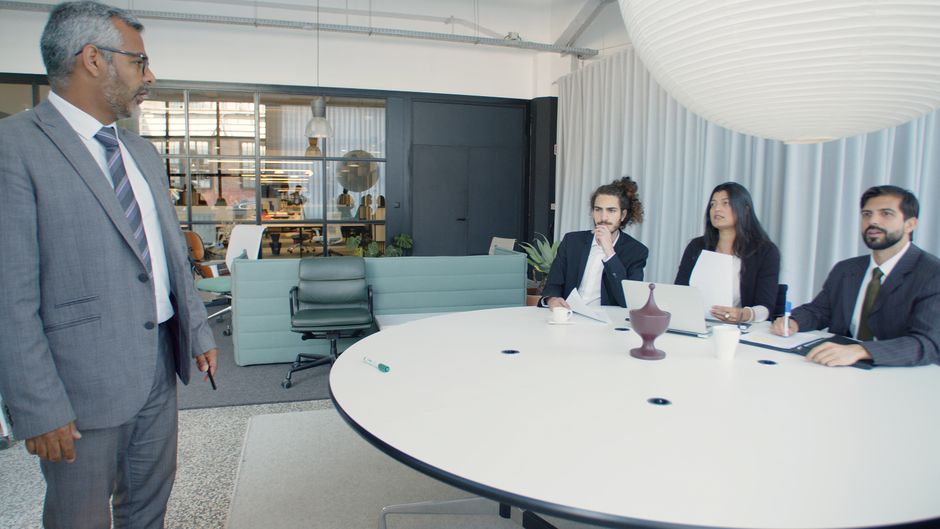
A lunch and learn is an event hosted during the lunch hour for educational purposes, and it usually runs somewhere between 45 and 90 minutes. That sounds simple enough. Then the calendar invite goes out, twelve people accept, four show up, two of them leave early for a meeting, and the presenter spends the second half of the session talking to a half-empty room.
The gap between a lunch and learn that exists and one that works is almost never about the quality of the topic. It is about design decisions made well before the session starts: who speaks, what time it runs, whether the food actually shows up warm, and whether anyone in the room is expected to do more than listen. Lunch and learn employee training earns its place when employees connect, build trust and teamwork across departments, and leave with something they can use the next day.
Start With the Reason Someone Should Give Up Their Lunch
Employees guard the middle of the day because it is often the only unscheduled block they have. Asking them to spend it in a conference room needs a clear answer to one question: what do I get out of this?
Lunch and learn programs work best as developmental opportunities that help employees connect and grow into high performers. That framing matters. If the session is really a policy briefing with sandwiches, people will sense it and decline. If it is a chance to learn a skill, meet people from other departments, and ask questions of someone who genuinely knows the subject, the calculation changes.
Before booking anything, write one sentence that describes what an attendee will walk out with. A practical skill, a useful contact, a clearer picture of how another team works. If you cannot write that sentence, the session is not ready to be scheduled.
Choose a Format That Fits the Lunch Hour
Length is the most common reason attendance collapses. A session that runs long forces people to choose between learning and their next meeting, and they usually choose the meeting. Pick a format deliberately and protect the end time.
| Format | Typical length | Best suited to |
|---|---|---|
| Monthly micro session | 30 minutes | Building skills steadily in junior employees without taking a full lunch block |
| Standard lunch and learn | 45 to 90 minutes | Topics that need discussion, questions, or a hands-on exercise |
| Facilitated one-hour training | About 1 hour | Communication, collaboration, and culture topics with expert facilitators and practical takeaways |
| Breakfast brief | Morning slot | Teams who cannot spare lunch, with coffee, hot chocolate, and donuts standing in for a meal |
The shorter formats are not lower value. A steady 30-minute monthly session can do more for skill building than a quarterly event that tries to cover too much. The shorter the slot, the more disciplined the speaker has to be, so build rehearsal time into the plan.
Let Internal Experts Carry the Topic Load
You do not need a budget line for outside speakers to run a strong program. Look inside the company for people who are passionate about a subject and whose knowledge others could benefit from. Those employees tend to prepare carefully, speak from real experience, and stay afterward to answer questions, which is exactly the behavior that makes a session feel worth attending.
Where to find willing speakers
- Ask managers to name one person on their team who is unusually good at something.
- Watch for the colleague everyone already messages with the same question.
- Invite someone who recently finished a project and can explain how it went.
- Approach people who have a hobby or side interest that connects to work skills.
- Rotate hosts so the same three names are not carrying every session.
Topics that tend to fill seats
Choose subjects that solve a visible problem or answer a question people are already asking. Benefits topics, including non-insurance benefits, come up repeatedly because employees genuinely need the information. Skill topics such as communication, collaboration, and prioritization do well because they apply to everyone in the room. Internal tools and processes work when the training saves people time that same week.
Skip anything that reads as a compliance obligation in disguise. Save mandatory content for mandatory training and keep the lunch slot for material people would choose.
Treat Food as Part of the Program
Free lunch is one of the main incentives that gets people into the room, and it is not a small detail to be handled at the last minute. The food is the first thing attendees encounter, and a cold spread or an empty table sets the tone before the speaker says a word.
Keep the menu simple and easy to eat while talking. Nothing that requires two hands, a knife, or a lap balance. Confirm the delivery window against the start time, order for the number of people who registered rather than the number you hope will appear, and include options that work for the dietary needs on your team. If the budget is tight, a smaller number of better sessions beats a monthly event with stale pastries.
Also plan the first five minutes. People arrive, queue for food, and settle. If the session starts the moment the clock hits noon, half the room misses the opening. Build a short buffer where attendees eat and talk, then begin.
Design Sessions People Can Participate In
Passive listening is hard work at any hour and nearly impossible right after eating. Interactive sessions hold attention because attendees have something to do besides watch slides.
Simple structures work well. Open with a question the room can answer in one sentence. Break a longer topic into two short segments with a discussion in between. Give people a prompt to apply the idea to their own work for three minutes and compare notes with the person next to them. Leave real space for questions at the end rather than squeezing them into the final thirty seconds.
Virtual sessions need the same thought. A one-hour virtual format can work well for communication, collaboration, and culture topics, but only if the facilitator actively runs the room instead of presenting into silence. Ask for cameras on, use a chat prompt early, and call on people by name.
Promote in a Way That Survives a Busy Inbox
A single calendar invite sent two days ahead will not fill a room. Promotion needs repetition and a reason to care, not a flyer with a title and a room number.
- Announce the topic and the takeaway at least two weeks ahead, with a one-line description of what attendees will be able to do afterward.
- Send a short reminder a few days before that names the speaker and mentions the food.
- Ask managers to mention it in team meetings. A recommendation from a direct manager moves more people than a company-wide email.
- Send a same-day note with the room or link and the start time.
- Post a short recap afterward so people who missed it know what they missed, which helps the next session.
Keep the sign-up frictionless. A form with six fields and a required justification will cost you attendees who were briefly interested.
Read the Attendance Data Honestly
Track two numbers: how many people register and how many actually attend. A large gap points to scheduling or promotion problems. Low registration points to the topic or the format.
Look for patterns rather than reacting to one session. If the same department never shows up, the time slot may conflict with their standing meeting. If short sessions fill and long ones do not, that is your answer on format. If internal speakers draw better than outside ones, lean into that. Ask a few regular attendees what keeps them coming back, and ask two people who skipped why.
Turn One Good Session Into a Monthly Habit
A single well-attended event is easy to produce. A program that keeps drawing people depends on rhythm and low effort per session. A short monthly slot is easier to protect on a calendar than an irregular one, and it builds the expectation that something useful happens on that day.
Keep a running list of topics and speakers so planning never starts from zero. Reuse the same room, the same food order, and the same reminder schedule. Save five minutes at the close of each session to ask the room what they want next, then book the follow-up on the spot. That single habit turns attendees into co-planners, and co-planners show up.
Frequently Asked Questions
How long should a lunch and learn be?
Most lunch and learn sessions run between 45 and 90 minutes. Shorter 30-minute sessions work well for monthly skill building, while one-hour facilitated sessions suit communication and culture topics with practical takeaways. Choose the length based on how much discussion the topic needs, then protect the end time so attendees can leave for their next commitment.
Should lunch and learn attendance be mandatory?
Voluntary sessions generally produce better engagement because attendees chose to be there. Required attendance can fill a room but often results in people working on laptops in the back. If the content is genuinely mandatory, such as compliance training, schedule it as formal training rather than disguising it as an optional lunch event.
Do we have to provide food?
Providing a free lunch is a common and effective way to encourage attendance, since attendees are giving up their break. If lunch is impractical, a breakfast brief with coffee, hot chocolate, and donuts replaces the meal without losing the draw. What matters is that the food is organized in advance and easy to eat during the session.
Can lunch and learns work for hybrid or remote teams?
Yes, with adjustments. Virtual one-hour sessions can cover communication, collaboration, and culture topics effectively when the facilitator actively involves the room. For hybrid teams, consider running the same session twice, once in person and once virtually, and share a short recap afterward so nobody is left out of the material.
How do we find speakers without a training budget?
Look inside the company first. Ask managers to identify employees who are passionate about a topic and whose knowledge others could benefit from, and rotate hosts so the same people are not always presenting. Internal experts usually prepare carefully and speak from real experience, which often lands better than a polished outside presentation.
Run the first session as a test with a short slot, a strong internal speaker, and food that arrives on time. Watch who comes back for the second one, and let that tell you what the program should become.
