
Compliance training is mandatory education that teaches your employees about laws, regulations, and company policies that apply to their jobs. It covers everything from workplace safety and data privacy to anti harassment policies and industry specific regulations. Think of it as the required coursework that keeps your organization legally protected and your team informed about what they must do to stay within legal boundaries.
This article breaks down what compliance training actually means for your organization. You’ll learn why it matters beyond just checking a legal box, how to build an effective program from scratch, and which laws drive compliance requirements in different industries. We’ll also walk through real examples of compliance topics you might need to cover and explore the tools that can simplify your training delivery and tracking.
Why compliance training matters
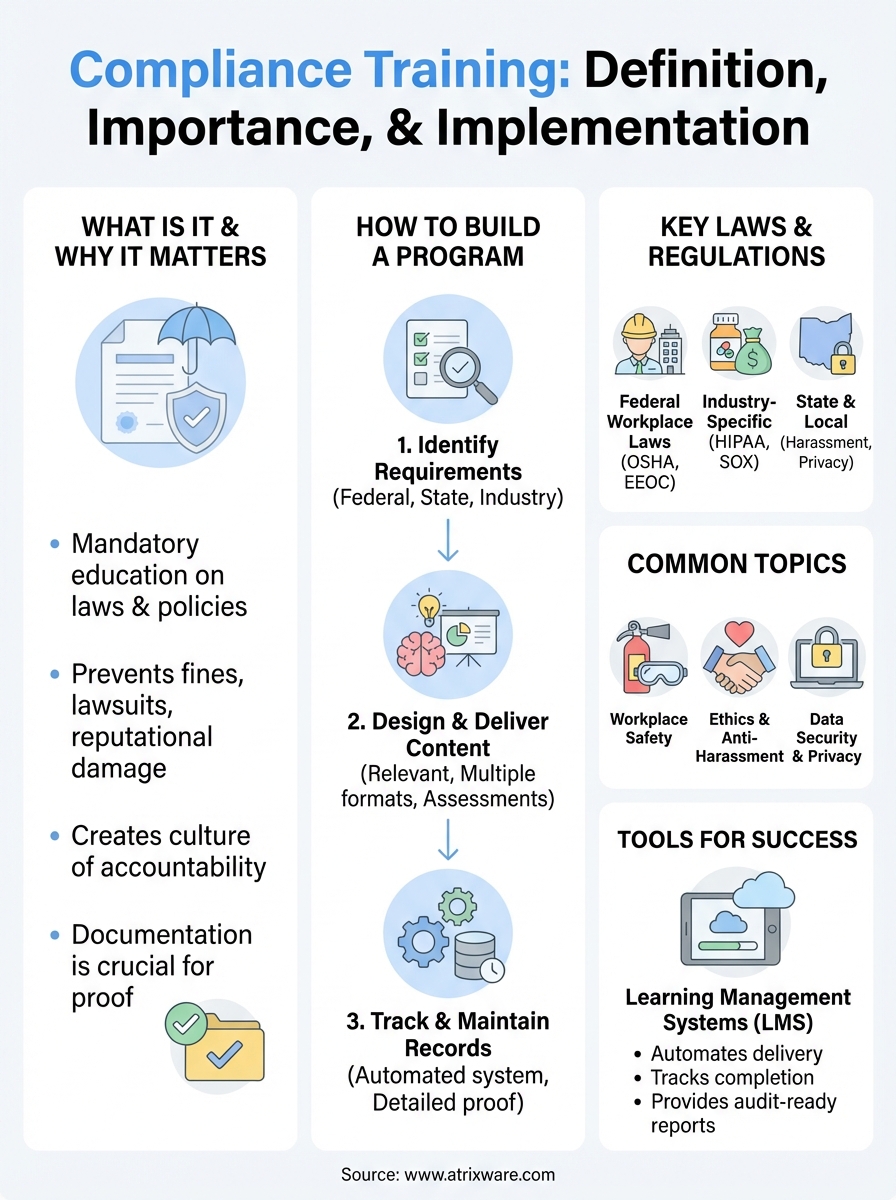
Your organization faces real legal risks and financial penalties when employees don’t understand compliance requirements. Without proper training, a single data breach could cost millions in fines, a harassment claim could damage your reputation, or safety violations could shut down operations. The compliance training definition goes beyond just legal protection, it creates a workplace where everyone knows the rules and follows them consistently.
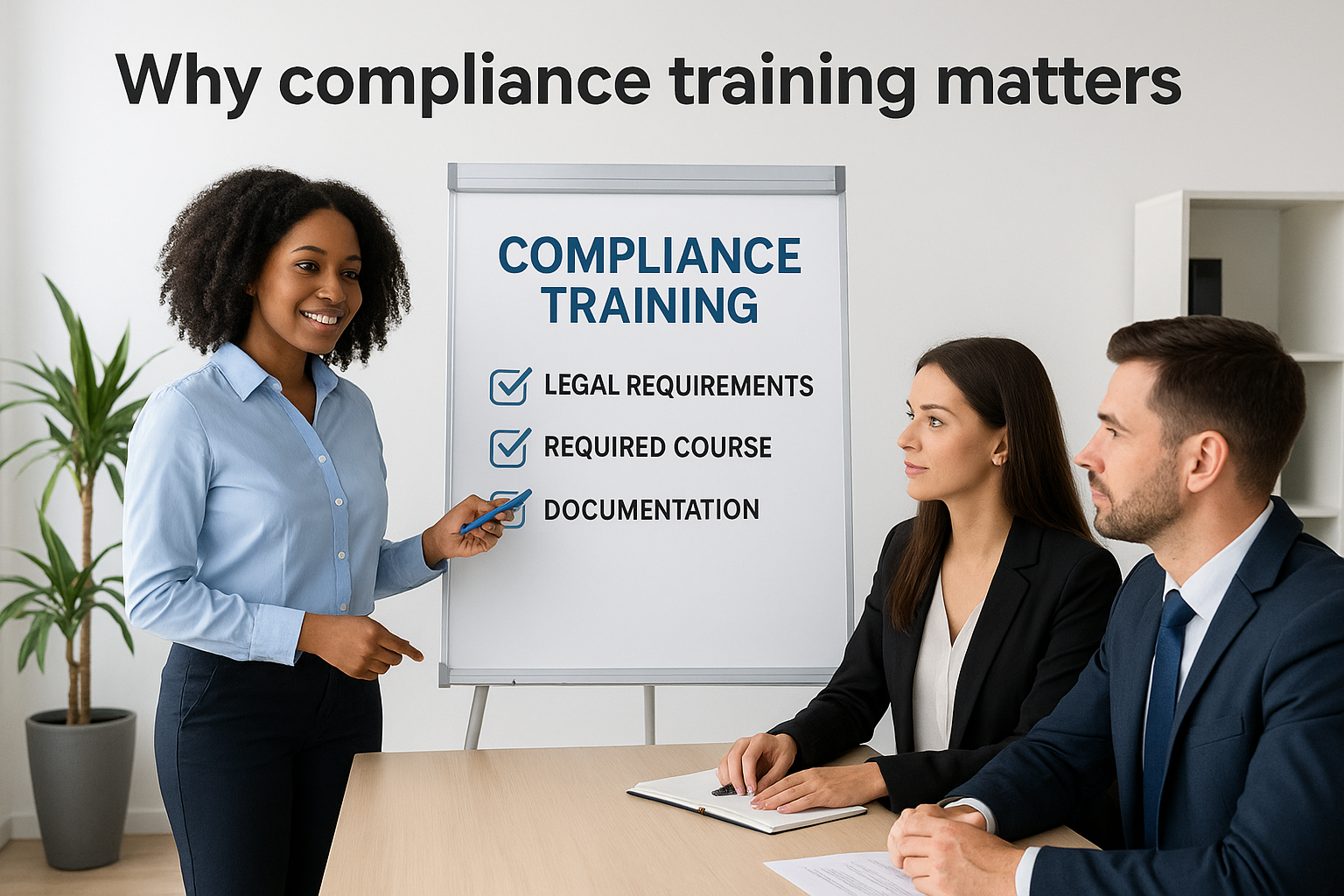
Effective compliance training protects your business from preventable legal issues and creates a culture of accountability.
Training reduces risk across your entire organization by ensuring every employee understands their responsibilities. When your team knows how to handle sensitive data, recognize harassment, and follow safety protocols, you prevent violations before they happen. This proactive approach saves money compared to dealing with lawsuits, regulatory investigations, or workplace incidents after the fact.
Documentation matters just as much as the training itself. You need proof that employees completed required courses and understood the material. Regulators and auditors expect detailed records showing who trained, when they trained, and how they performed on assessments. Missing documentation can result in penalties even if your employees actually know the rules.
How to build a compliance training program
Building an effective compliance training program starts with understanding what regulations apply to your organization. You need to assess your industry requirements, company policies, and employee roles to determine which training topics are mandatory. The compliance training definition includes both legal mandates and internal standards, so your program must address all applicable areas. Start by conducting a thorough audit of your compliance obligations and mapping them to specific training needs across different departments and job functions.
Identify your compliance requirements
Your first step involves researching federal, state, and industry-specific regulations that affect your business. Check OSHA standards if you operate a physical workplace, review data privacy laws like GDPR or CCPA if you handle customer information, and examine industry regulations such as HIPAA for healthcare or SOX for financial services. Different employee roles require different training, so segment your workforce based on their responsibilities and compliance exposure.
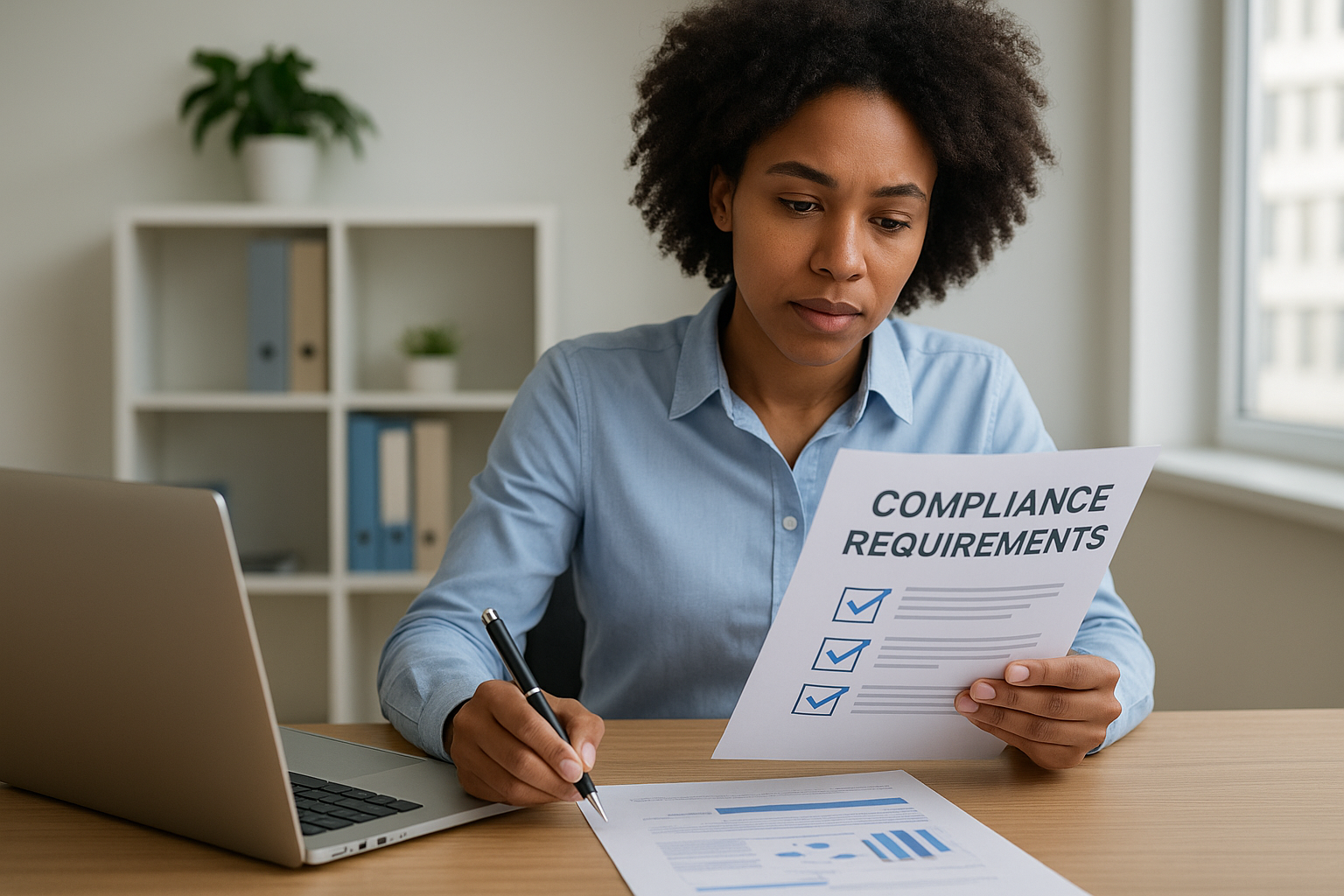
Create a comprehensive list of all mandatory training topics for each employee group. Document which laws or policies drive each training requirement and establish deadlines for completion and renewal. Some regulations require annual refresher courses while others mandate training only for new hires or when policies change.
Design and deliver your training content
You can develop training content internally or purchase pre-built courses from reputable vendors. Focus on making content relevant to your employees’ actual work situations rather than presenting generic information. Use real scenarios and examples that your team encounters daily to increase engagement and retention.
Deliver training through multiple formats to accommodate different learning styles and schedules. Online courses work well for distributed teams while in-person sessions suit hands-on safety training. Include assessments that verify understanding, not just course completion. Your testing should measure whether employees can apply compliance knowledge in practical situations.
Track completion and maintain records
Set up a system that automatically tracks who completed which courses and when they finished. Your tracking system should generate alerts for upcoming deadlines and send reminders to employees with overdue training. Store all completion certificates, assessment scores, and training materials in a centralized database that regulators can access during audits.
Accurate documentation proves your organization takes compliance seriously and protects you during investigations.
Maintain records for the period required by applicable regulations, which typically ranges from three to seven years. Regular reporting helps you identify compliance gaps and employees who need additional support.
Key laws and regulations behind compliance training
Your compliance training program must address specific legal requirements that vary by industry, location, and business activities. Understanding which laws apply to your organization helps you determine the compliance training definition for your specific context. Federal agencies enforce baseline standards that affect most employers, while industry regulators add specialized requirements for sectors like healthcare, finance, and manufacturing.
Federal workplace laws
The Occupational Safety and Health Administration (OSHA) requires safety training for employees exposed to workplace hazards, including proper equipment use and emergency procedures. The Equal Employment Opportunity Commission (EEOC) enforces anti-discrimination laws that mandate harassment prevention training in many jurisdictions. These federal standards create the foundation of most compliance training programs across all industries.
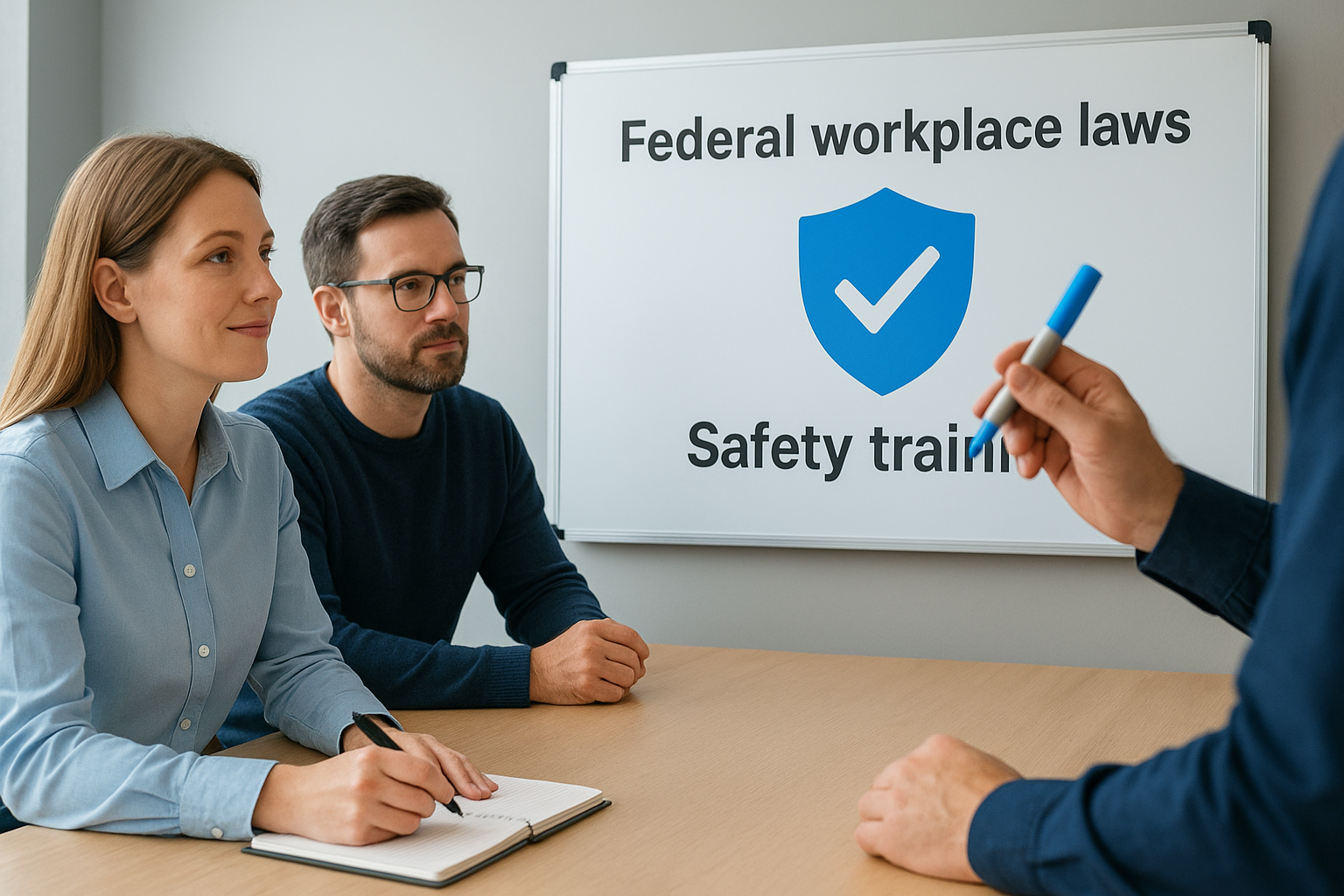
OSHA violations result in penalties ranging from thousands to millions of dollars depending on severity and willfulness. Your organization must document all safety training and maintain records that prove employees received proper instruction before working with hazardous materials or equipment.
Industry-specific regulations
Healthcare organizations operate under the Health Insurance Portability and Accountability Act (HIPAA), which requires annual privacy and security training for all staff who handle patient information. Financial institutions follow Securities and Exchange Commission rules and anti-money laundering requirements that demand specialized compliance education for employees in certain roles. Manufacturing companies dealing with environmental hazards must train workers according to Environmental Protection Agency standards.
Industry regulators conduct audits and expect detailed proof that your employees understand and follow specialized compliance requirements.
State and local requirements
Many states mandate sexual harassment training with specific content and time requirements that exceed federal minimums. California requires two hours of training for supervisors every two years, while New York mandates annual training for all employees. Data privacy laws like the California Consumer Privacy Act create additional training obligations for companies handling resident information.
Compliance training topics and examples
Your compliance training program should address the specific risks and regulations that affect your organization. The compliance training definition encompasses both universal workplace topics and industry-specific requirements, so you need to identify which areas apply to your business operations. Common training topics fall into categories like workplace safety, ethical conduct, data protection, and regulatory compliance. Each topic requires clear instruction on what employees must do, what they must avoid, and how to handle violations when they occur.
Workplace safety and health
Safety training protects employees from physical harm and keeps your organization compliant with OSHA standards. You must train workers on proper equipment operation, hazardous material handling, and emergency response procedures specific to their work environment. Manufacturing facilities need machine safety courses, while office environments require ergonomics training and fire evacuation procedures.
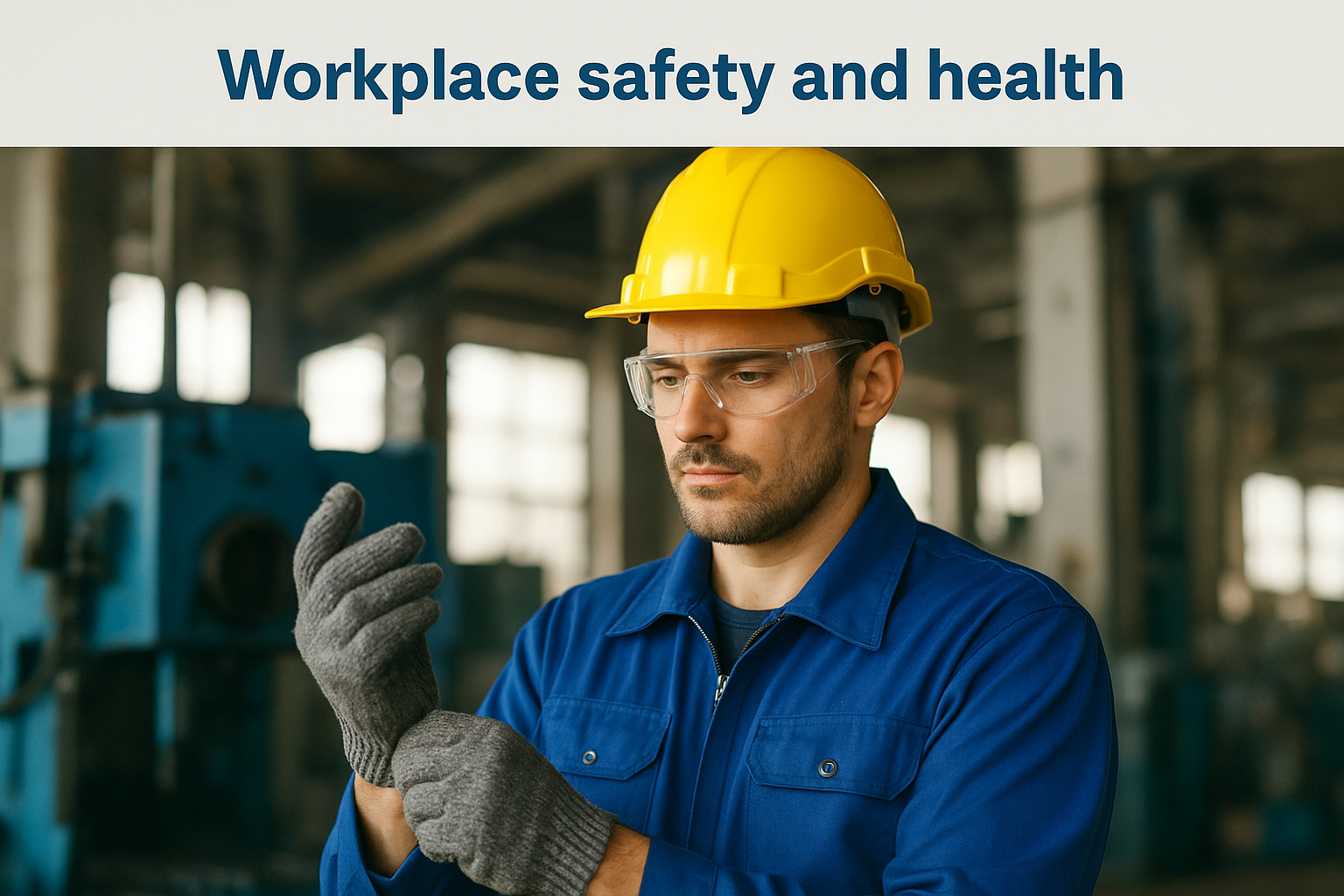
Workplace injuries cost your business through lost productivity, workers’ compensation claims, and potential OSHA penalties.
Ethics and anti-harassment
Anti-harassment training teaches employees to recognize, prevent, and report inappropriate workplace behavior including sexual harassment, discrimination, and bullying. Your program should cover protected classes under federal and state law, explain your reporting process, and outline consequences for violations. Many states require this training annually with specific content and duration requirements.
Data security and privacy
Cybersecurity training protects your organization from data breaches by teaching employees to identify phishing attempts, create strong passwords, and handle sensitive information properly. You need specialized training for employees who access customer data, financial records, or protected health information. Cover topics like password management, device security, remote work protocols, and proper data disposal methods that prevent unauthorized access.
Tools that make compliance training easier
Modern software solutions simplify how you deliver and track training across your organization. Learning management systems (LMS) automate scheduling, track completion rates, and store documentation in centralized databases that regulators can access during inspections. These platforms fulfill the compliance training definition by ensuring employees receive required instruction while maintaining detailed proof of completion for regulatory audits and compliance reviews.
Learning Management Systems
LMS platforms handle course delivery, assessment tracking, and automated reminders for upcoming deadlines or expired certifications. You can generate compliance reports instantly, monitor which employees completed required training, and receive alerts when certifications approach expiration dates. The right system integrates with your existing HR software to sync employee data automatically and streamline your entire training workflow without duplicate manual data entry.
Automated tracking eliminates the spreadsheet chaos that leads to missed deadlines and audit failures.
Final thoughts
Understanding the compliance training definition gives you the foundation to protect your organization from legal risks and build a culture of accountability. Your program needs proper documentation, relevant content, and reliable tracking systems to meet regulatory requirements. Effective training combines the right technology with clear policies that employees can understand and apply in their daily work. Modern LMS platforms automate the heavy lifting while you focus on content quality and engagement. Ready to simplify your compliance training delivery? Explore Axis LMS with a free admin demo and see how automated tracking transforms your program.
