Every new hire walks through the door with potential, but turning that potential into performance requires more than a welcome email and a stack of paperwork. Understanding the onboarding training definition is the first step toward building a program that actually works. It’s the structured process that transforms new employees into confident, productive team members, yet many organizations still confuse it with basic orientation or skip it altogether.
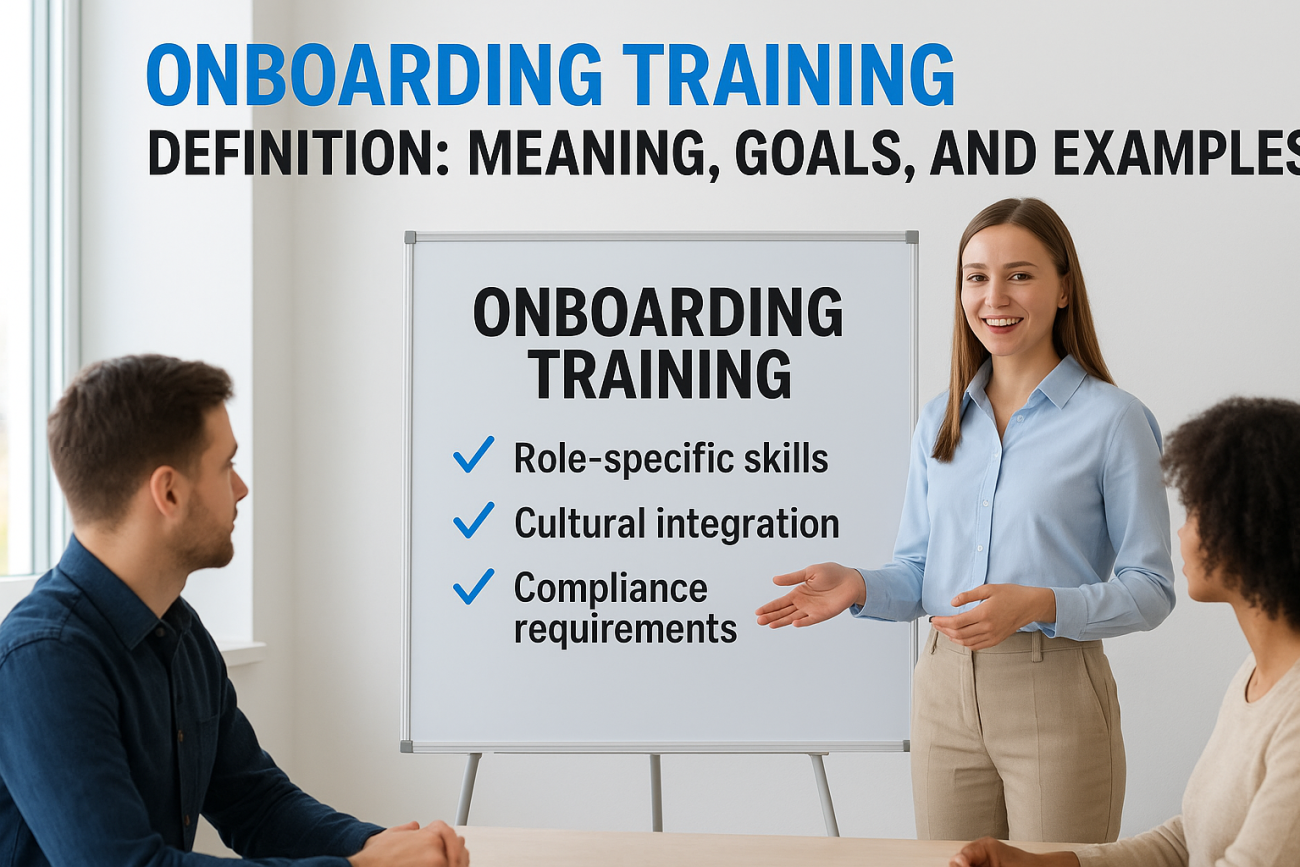
Onboarding training goes beyond filling out tax forms and learning where the coffee machine is. It encompasses everything from role-specific skill development to cultural integration, compliance requirements, and relationship building. When done right, it reduces turnover, accelerates time-to-productivity, and creates employees who feel genuinely connected to your organization’s mission.
This article breaks down what onboarding training means, how it differs from orientation and standard job training, and what makes a program effective. Whether you’re building your first structured onboarding process or refining an existing one, you’ll find practical insights here. At Atrixware, we’ve helped organizations of all sizes deliver and track onboarding programs through Axis LMS, so we’ve seen firsthand what separates successful onboarding from forgettable first days.
What onboarding training includes
Now that we’ve established the onboarding training definition, let’s explore what actually goes into an effective program. Onboarding training isn’t a single event but a comprehensive process that spans multiple weeks or months, covering everything a new hire needs to succeed in their role. Your program should address knowledge, skills, relationships, and cultural fit in a structured sequence that builds confidence without overwhelming new employees.
Core knowledge and compliance
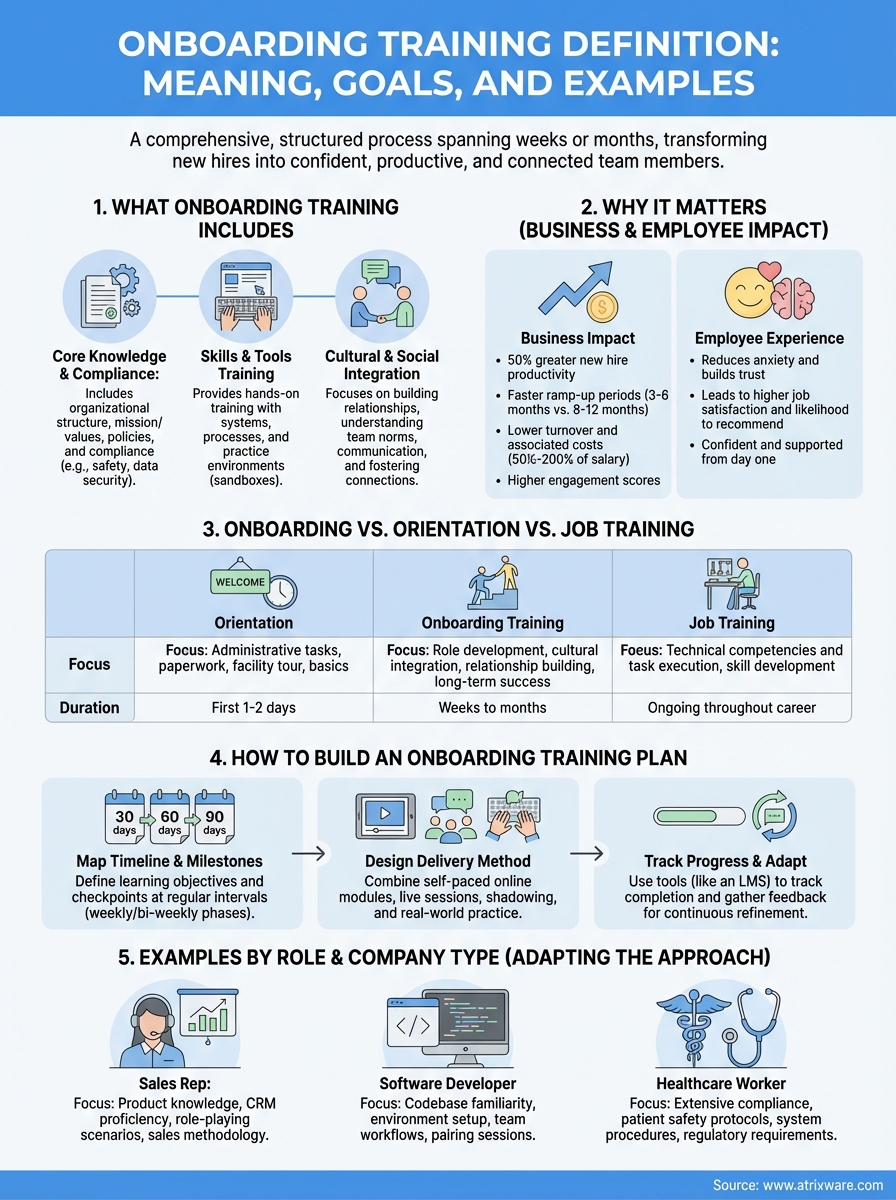
Your onboarding training must start with foundational information about your company. This includes organizational structure, mission and values, policies and procedures, and any required compliance training specific to your industry. New hires need to understand where they fit within the larger picture and what rules govern their work. Compliance components might cover safety protocols, data security, workplace conduct, or industry-specific regulations depending on your field.
Skills and tools training
Every role requires specific technical skills and software proficiency. Your onboarding program should provide hands-on training with the tools, systems, and processes employees will use daily. This goes beyond a quick demo of your project management software or CRM. Effective skills training includes practice opportunities, sandbox environments where new hires can experiment without consequences, and clear documentation they can reference later.
Quality onboarding training balances information delivery with opportunities for new hires to apply what they’re learning in real workplace scenarios.
Cultural and social integration
The most overlooked aspect of onboarding training involves helping new employees build relationships and understand your company culture. This includes introducing team members, explaining communication norms, clarifying how decisions get made, and creating opportunities for informal connections. Social integration directly impacts retention, as employees who feel connected to colleagues are far more likely to stay long-term.
Why onboarding training matters
Now that you understand the onboarding training definition, let’s examine why it matters for your business. Companies with formal onboarding programs see 50% greater new hire productivity and significantly lower turnover within the first year. Your investment in onboarding directly impacts retention rates, employee engagement, and how quickly new hires contribute meaningful work. Without proper onboarding, you risk losing talent before they’ve even started, with costs of turnover typically ranging from 50% to 200% of annual salary for that position.
Business impact
Strong onboarding training reduces the time it takes for new employees to reach full productivity. You’ll see faster ramp-up periods, fewer errors, and better quality work from day one when new hires understand expectations clearly. Organizations with comprehensive programs report higher employee engagement scores and stronger cultural alignment across teams.
Effective onboarding training transforms the typical 8-12 month ramp-up period into a 3-6 month journey to full productivity.
Employee experience
From your new hire’s perspective, quality onboarding determines whether they feel confident or confused in their first weeks. Clear training structures reduce anxiety and build trust in your organization’s commitment to their success. Employees who experience thorough onboarding report higher job satisfaction and are more likely to recommend your company as a great place to work.
Onboarding vs orientation and job training
Many organizations mistakenly use these three terms interchangeably, but understanding their differences helps you build a complete new hire experience. Orientation covers the first day or two, focusing on administrative tasks, facility tours, and basic company information. Onboarding training extends across weeks or months, encompassing role development, relationship building, and cultural integration. Job training represents the ongoing skill development that happens throughout an employee’s tenure, not just during their initial weeks.
Orientation: The first day basics
Orientation introduces new hires to your workplace fundamentals. You’ll typically cover paperwork, benefits enrollment, security badges, and workspace setup during this brief period. It’s transactional and necessary but doesn’t equip employees with the skills or context they need to perform their roles effectively.
Job training: Role-specific skills
Job training focuses purely on technical competencies and task execution without the broader context that onboarding provides. While onboarding includes job training as one component, it also addresses culture, relationships, and organizational knowledge. The onboarding training definition encompasses all these elements rather than isolating skills development.
Orientation gets employees in the door, onboarding prepares them to contribute, and job training continues throughout their career with you.
How to build an onboarding training plan
Building an effective onboarding training plan requires strategic planning and structured execution rather than improvising as new hires arrive. You need to map out specific learning objectives, timelines, and accountability measures based on the onboarding training definition covered earlier. Define what success looks like at 30, 60, and 90-day milestones, then work backward to design training modules that achieve those outcomes.
Map your timeline and milestones
Your onboarding plan needs clear checkpoints that measure progress at regular intervals. Break down the first 90 days into weekly or bi-weekly phases, each with specific learning goals and competencies. Week one might focus on company culture and systems access, while weeks two through four introduce role-specific processes and responsibilities. Later phases should include opportunities for new hires to take on real projects with decreasing levels of supervision.

Design your delivery method
Choose how you’ll deliver training content based on your resources and employee needs. You can combine self-paced online modules, live training sessions, shadowing opportunities, and hands-on practice within actual work scenarios. An LMS platform streamlines delivery and tracking across distributed teams, ensuring consistency regardless of location or schedule constraints.
The most effective onboarding training plans balance structured learning with flexibility to adapt content based on individual progress and role requirements.
Onboarding training examples by role and company type
Real-world examples clarify how the onboarding training definition translates into practice across different contexts. Your onboarding approach should reflect both the role’s requirements and your industry’s specific demands, whether you’re hiring remote software engineers or frontline retail staff. The core principles remain consistent, but execution varies dramatically based on what success looks like in each position.
Sales representative onboarding
Your sales onboarding should prioritize product knowledge, CRM proficiency, and relationship-building skills. New sales reps need structured training on your product lineup, pricing structures, competitive advantages, and sales methodology. Include role-playing scenarios, shadowing experienced reps, and gradual responsibility increases from observing calls to leading them independently.
Software developer onboarding
Developer onboarding focuses on codebase familiarity, development environment setup, and team workflows. Your program should include repository access, coding standards documentation, architecture overviews, and pairing sessions with senior developers. Give new developers small, well-defined first tasks that build confidence without risking critical systems.
Manufacturing companies might emphasize safety protocols and equipment certification, while professional services firms prioritize client management and billing systems during onboarding.
Healthcare worker onboarding
Healthcare onboarding requires extensive compliance training, patient safety protocols, and system-specific procedures. Your program must cover regulatory requirements, electronic health record systems, infection control, and emergency procedures before new staff interact directly with patients.
Key takeaways and next steps
Understanding the onboarding training definition gives you a foundation for building programs that actually work. Your onboarding should extend beyond orientation to include role-specific training, cultural integration, and relationship building over weeks or months. The difference between companies that retain top talent and those that struggle with turnover often comes down to how well they structure these first experiences. Quality onboarding reduces time-to-productivity, improves employee engagement, and delivers measurable business results.
Start by mapping your current process against the components we’ve covered. Identify gaps where new hires lack support, then build structured training modules that address those needs. Track completion rates and gather feedback to refine your approach continuously. If you’re managing onboarding across multiple locations or need better tracking capabilities, an LMS streamlines delivery and reporting. Take our LMS readiness quiz to determine whether your organization could benefit from a platform like Axis LMS to support your onboarding training efforts.
